Ginger Stick Typeface: A Quirky Serif for Handmade Branding
I was sitting at my desk last Tuesday, surrounded by scattered wax drips and half-cut vinyl sheets, trying to finalize the label design for a new line of artisanal soy candles. The challenge wasn’t the scent profile—it was the typography. I wanted something that felt handmade but not messy, professional but not corporate. That’s when I pulled up Ginger Stick, a cool and quirky serif font that immediately caught my eye. After spending the afternoon testing it on sticker mockups, boutique tags, and digital listing previews, I realized this typeface might just be the missing piece in my shop’s visual identity.
If you are a crafter, printable creator, or small business owner looking to add a fun and friendly touch to your projects, Ginger Stick deserves a spot in your design toolkit. It is not just another standard serif; it has personality. It feels like a letterpress print from a vintage stationery shop, yet it remains clean enough for modern product packaging. In this review, I will share how this adaptable font performs on real-world materials, from physical merchandise to digital downloads.
The Visual Personality of Ginger Stick
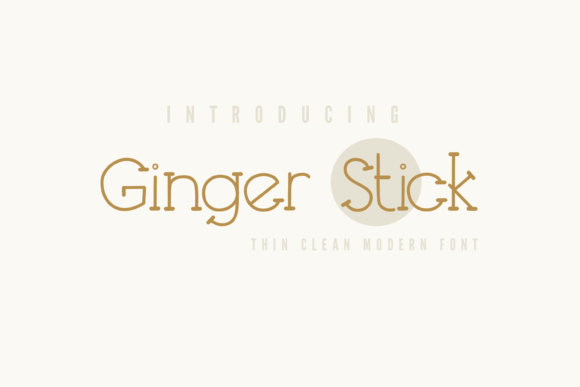
At first glance, Ginger Stick presents itself as a classic serif font, but look closer, and you will see its unique charm. The serifs have a slight irregularity that mimics the organic nature of hand-carved wood blocks or stamped ink. This "quirky" characteristic gives the letters a warm, approachable vibe that stands out against the sea of rigid, geometric sans-serif fonts dominating Etsy and Instagram feeds.
For makers, this personality is crucial. When you sell handmade goods, customers are buying into a story and an aesthetic. Ginger Stick supports that narrative. It adds a layer of creativity without screaming for attention. Whether you are designing a wedding invitation suite or a set of holiday gift tags, this font strikes a balance between editorial elegance and playful casualness. It feels established, yet fresh—a rare combination in the world of premium fonts.
Testing Ginger Stick on Physical Products
I decided to put Ginger Stick through its paces with three distinct physical products: candle labels, greeting cards, and tote bag designs. Here is how it held up in production.
- Candle Labels: I used Ginger Stick for the main product name on a round kraft paper label. The thick strokes of the serif provided excellent contrast against the textured paper, making the text pop even in low light. For the smaller details, like ingredients or weight, I paired it with a simple sans serif font to ensure readability. The result was a cohesive, high-end look that justified a higher price point.
- Greeting Cards: For a birthday card series, I tested Ginger Stick in a large display size. The quirky serifs added a celebratory flair that felt personal and thoughtful. It worked beautifully for short phrases like "Happy Birthday" or "Cheers." However, I found that using it for longer messages made the text feel heavy, so I reserved it for headlines only.
- Tote Bags: When converting the design to SVG for my Cricut machine, Ginger Stick cut cleanly. The curves were smooth, and the angles didn't require excessive weeding. On a canvas tote, the font looked bold and confident, especially when printed in white ink on a navy blue bag. It proved that this creative font works well for both screen printing and heat transfer vinyl applications.
Digital Applications and Printables
Beyond physical goods, Ginger Stick is a powerhouse for digital creators. As someone who sells printable wall art and planner pages, I know that screen rendering can sometimes distort fine typographic details. Fortunately, Ginger Stick’s sturdy structure translates well to digital formats.
I created a mockup for a digital wedding invitation template using Ginger Stick for the headers. On a retina-display monitor, the font looked crisp and sharp. It maintained its quirky character whether viewed on a desktop or scaled down for a mobile preview. This adaptability makes it ideal for social media graphics, where you need to grab attention quickly in a crowded feed. The font’s friendly touch helps increase engagement, as it feels less like a corporate advertisement and more like a personal recommendation.
For blog posts and newsletter headers, Ginger Stick adds a touch of modern typography that breaks up the monotony of standard web fonts. It serves as an excellent anchor for editorial design, guiding the reader’s eye to key information without overwhelming them. If you are building a brand identity for a digital-only business, incorporating Ginger Stick into your logo design or banner ads can instantly communicate a sense of warmth and approachability.
Readability and Best Practices
While Ginger Stick is versatile, it is important to use it wisely to maintain clarity. Like most display fonts, it is best suited for short phrases, names, titles, and decorative wording. Attempting to use it for long paragraphs or dense label information—such as care instructions or technical specs—can hinder readability. The quirky serifs, while charming, can become difficult to parse at very small sizes.
For product labels and stickers, keep the font size generous. If you are creating tiny cuts for jewelry tags, consider using a simpler weight or pairing it with a highly legible sans serif font for the secondary text. Similarly, on mobile screens, ensure there is sufficient contrast between the font color and the background. Dark backgrounds with light Ginger Stick text work exceptionally well, creating a striking visual hierarchy that enhances user experience.
Font Pairing Strategies
To get the most out of Ginger Stick, pair it thoughtfully. Because it has strong visual weight and character, it pairs beautifully with clean, neutral typefaces. A simple sans serif font is the safest and most effective choice for body copy, providing a calm backdrop that lets Ginger Stick shine in the headlines.
For a more traditional look, try pairing it with a simple serif font for subheadings. This creates a layered, editorial effect that works well for boutique packaging and high-end stationery. You can also experiment with a delicate script font for accents, such as signatures or dates, to enhance the handmade aesthetic. Just avoid pairing it with other decorative or handwritten fonts, as this can create visual clutter and dilute the message.
Technical Considerations for Sellers
Before incorporating Ginger Stick into your commercial products, take a moment to review the technical specifications. Check if the font file includes multiple weights, alternates, or swashes that could expand your design possibilities. Verify the file formats included—having both TTF and OTF files ensures compatibility across different design software like Adobe Illustrator, Photoshop, and Canva.
Most importantly, review the licensing terms. If you plan to sell physical products, templates, or digital downloads featuring Ginger Stick, ensure you have the appropriate commercial license. Some fonts allow unlimited merchandising, while others may restrict the number of items or require a specific tier of license. Understanding these details protects your business and ensures you are using design assets responsibly.
Why Ginger Stick Fits Your Creative Workflow
In the competitive world of handmade and digital products, standing out requires more than just a great item—it requires a strong visual presence. Ginger Stick offers exactly that. Its cool and quirky serif style adds a fun and friendly touch to each project, helping you build a recognizable brand identity that resonates with customers.
Whether you are designing seasonal craft supplies, preparing a shop listing image, or crafting a custom invitation, Ginger Stick proves to be an adaptable font that elevates your work. It bridges the gap between traditional craftsmanship and modern design trends, making it a valuable addition to any creator’s library. By testing it on real materials and observing its performance across various mediums, I am confident that this typeface can help you communicate quality, care, and creativity in every piece you make.